


Both cardio and resistance training play a role in reducing abdominal fat.
Few fitness questions generate as much debate as this one. Some people swear by hours on the treadmill, while others insist that lifting weights is the only way to change body composition. The truth is more nuanced, and understanding it can save you months of frustrating, poorly targeted effort.
This guide breaks down what belly fat really is, how cardio and strength training each affect it at the hormonal and cellular level, what the research shows, and how to build a plan that works in real life. It is educational content and not a substitute for personal medical advice.
Understanding Belly Fat: Not All Abdominal Fat Is the Same
Key Point 1: Subcutaneous vs. Visceral Fat
Abdominal fat comes in two main forms. Subcutaneous fat sits just under the skin and is the soft layer you can pinch. Visceral fat is stored deeper, around organs such as the liver, pancreas, and intestines. Visceral fat is far more metabolically active: it releases inflammatory molecules (cytokines) and free fatty acids directly into the portal circulation, which is linked to insulin resistance, fatty liver, type 2 diabetes, and cardiovascular disease. This is why waist circumference is considered a useful health marker, not just a cosmetic one.
Key Point 2: The Myth of Spot Reduction
Doing hundreds of crunches does not burn fat from the stomach specifically. When the body needs energy, hormones such as adrenaline and noradrenaline activate hormone-sensitive lipase in fat cells throughout the body, releasing fatty acids into the bloodstream. Where fat is lost first is largely determined by genetics, sex hormones, and age. Targeted ab exercises strengthen the muscle underneath, but they do not selectively remove the fat on top.
How Cardio Affects Belly Fat
Key Point 3: Energy Expenditure and Fat Oxidation
Aerobic exercise such as brisk walking, running, cycling, or swimming relies heavily on oxidative metabolism. During sustained moderate effort, mitochondria in muscle cells burn a high proportion of fatty acids for fuel. Cardio is also efficient at creating a calorie deficit during the session itself, since it can be performed for long durations.
Key Point 4: Visceral Fat and Insulin Sensitivity
Regular aerobic exercise improves insulin sensitivity by increasing GLUT4 glucose transporters in muscle and activating the energy-sensing enzyme AMPK. Better insulin sensitivity means the pancreas needs to release less insulin, and lower insulin levels make it easier for the body to mobilize stored fat. Studies on aerobic training consistently show reductions in visceral fat, even when total body weight changes only modestly.
Key Point 5: The Role of HIIT
High-intensity interval training (HIIT) alternates short bursts of hard effort with recovery periods. It produces a larger spike in catecholamines and a more pronounced excess post-exercise oxygen consumption (EPOC), sometimes called the "afterburn effect." The extra calories burned afterward are real but usually modest, and HIIT is not necessarily superior for fat loss when total effort and calories are matched. Its main advantage is time efficiency.

Aerobic exercise improves insulin sensitivity and burns calories efficiently during the session.
How Strength Training Affects Belly Fat
Key Point 6: Preserving and Building Lean Mass
Resistance training stimulates muscle protein synthesis through mechanical tension and the mTOR signaling pathway. Muscle is metabolically active tissue, so maintaining or adding it supports resting metabolic rate. This matters most during a calorie deficit, when the body can otherwise break down muscle along with fat. Preserving lean mass means more of the weight you lose comes from fat.
Key Point 7: Myokines and Metabolic Signaling
Contracting muscle acts like an endocrine organ, releasing signaling proteins called myokines, including interleukin-6 and irisin, that influence fat metabolism and reduce inflammation. Strength training also improves glucose uptake in muscle independent of insulin, which helps lower the metabolic burden that promotes visceral fat storage.
Key Point 8: The Afterburn Effect Is Real but Small
Heavy resistance sessions can elevate metabolic rate for hours as the body repairs muscle tissue and restores energy stores. Research on this effect shows it is measurable but limited, so it should be viewed as a bonus rather than the main reason to lift weights.
What Does the Research Say?
Studies comparing the two approaches point in a consistent direction. Cardio tends to burn more calories per session and is very effective at reducing visceral fat. Strength training burns fewer calories per session but is better at protecting muscle and improving body composition. Trials that combine both generally produce the best overall results for waist circumference, fat mass, and metabolic health markers.
| Factor | Cardio | Strength Training | Combined |
|---|---|---|---|
| Calories burned per session | Higher | Moderate | Highest overall |
| Visceral fat reduction | Strong | Moderate to strong | Strong |
| Muscle preservation | Limited | Excellent | Excellent |
| Insulin sensitivity | Improves | Improves | Improves most |
| Effect on resting metabolism | Minimal | Supports over time | Supports over time |
| Time efficiency | Lower (unless HIIT) | Moderate | Depends on plan |
The Hidden Variables: Hormones, Sleep, and Stress
Key Point 9: Cortisol and Abdominal Fat
Chronic stress keeps cortisol elevated, and high cortisol is associated with preferential fat storage in the abdominal area, along with stronger cravings for energy-dense foods. Very long, intense training on too little recovery can add to this stress load. Moderate exercise tends to lower stress over time, but overtraining can work against you. Learn more in our guide on Stress and the Body.
Key Point 10: Sleep, Leptin, and Ghrelin
Short sleep raises ghrelin (the hunger hormone), lowers leptin (the fullness hormone), and worsens insulin sensitivity. This can erase the benefits of a good training plan. If your belly fat is not budging despite regular workouts, sleep is one of the first places to look. See Sleep and Recovery for practical tips.
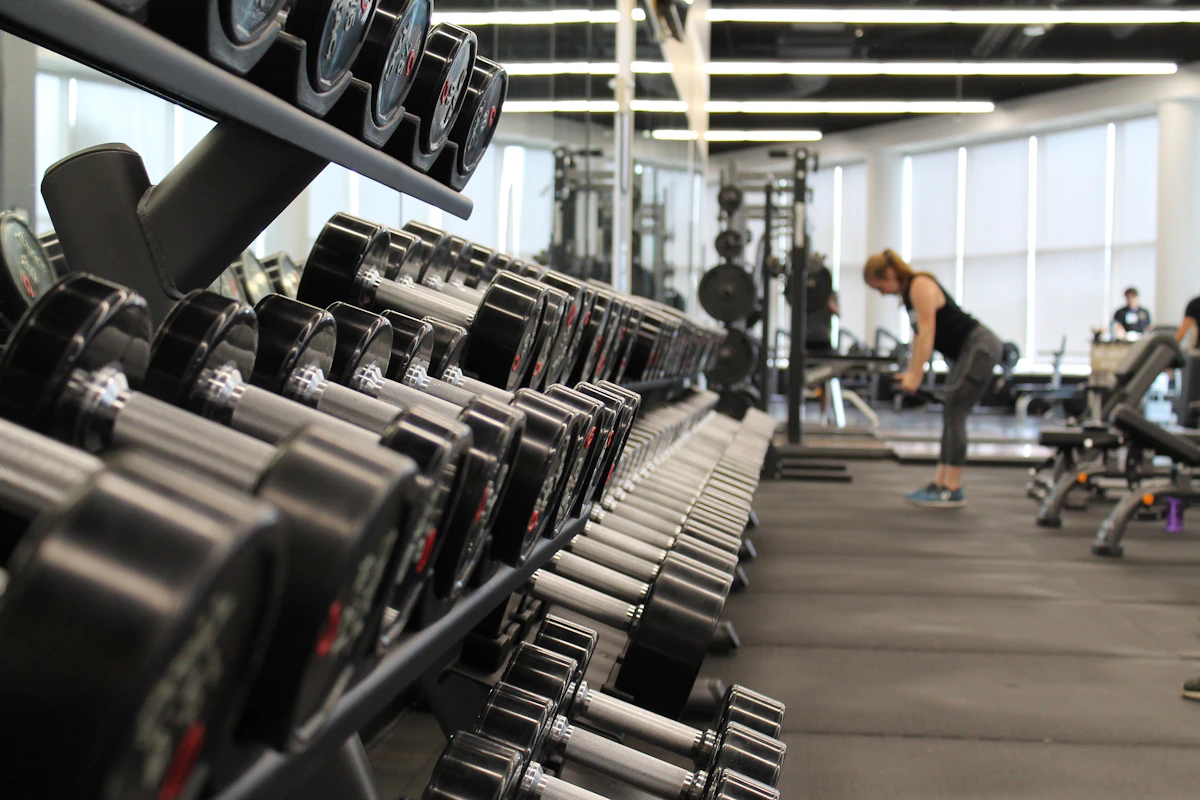
Resistance training protects muscle and supports a healthier metabolic profile.
The Role of Nutrition
Exercise alone rarely produces large changes in belly fat, because it is easy to eat back the calories you burn. Nutrition sets the foundation: adequate protein to protect muscle, plenty of fiber from vegetables, fruit, and whole grains, and fewer sugary drinks and ultra-processed foods. The Harvard Health overview of abdominal fat highlights that both diet and activity work together to reduce harmful visceral fat. To understand how your body uses energy, read Understanding Metabolism.
Building Your Plan: A Practical Framework
Public health bodies set a clear baseline. The CDC physical activity guidelines for adults recommend at least 150 minutes of moderate aerobic activity per week plus muscle-strengthening activities on two or more days. Here is one way to apply that.
Phase 1: Start With Walking and Two Full-Body Strength Sessions
Aim for daily brisk walks of 30 minutes and two full-body resistance workouts per week using squats, rows, presses, and hinges. This builds a base without overwhelming recovery.
Phase 2: Add Structured Cardio
Include two to three cardio sessions weekly, mixing steady-state work (such as cycling or jogging) with one short interval session. Keep most sessions at a pace where you can still speak in short sentences.
Phase 3: Progress Your Strength Work
Gradually increase weight, repetitions, or sets over time. Progressive overload is the signal that tells the body to keep or build muscle while fat is being lost.
Phase 4: Protect Recovery and Consistency
Schedule rest days, sleep seven to nine hours, and track progress with waist measurements, photos, and strength gains rather than the scale alone. For help staying consistent, see Building Healthy Habits. For safety guidance on starting exercise, the Mayo Clinic's exercise guidance is a reliable reference.
Who Should Take Extra Care?
Anyone with heart disease, high blood pressure, diabetes, joint problems, or who has been inactive for a long time should speak with a healthcare professional before starting an intense program. Stop exercising and seek medical help if you feel chest pain, severe shortness of breath, or dizziness.
Final Thoughts
So, which burns more belly fat: cardio or strength training? Cardio usually burns more calories during the workout and is excellent for reducing visceral fat, while strength training protects muscle, supports metabolism, and improves body composition. Neither can target belly fat on its own, and neither works well without sound nutrition, sleep, and stress control. The best answer for most people is to do both.
Practical takeaways:
- Forget spot reduction: fat loss happens across the whole body.
- Combine regular cardio with at least two strength sessions per week.
- Prioritize protein, fiber, sleep, and stress management alongside training.
- Measure progress with waist size, strength, and energy, not only body weight.
- Choose activities you enjoy, because consistency beats perfection.
Ready to keep going? Explore more evidence-based wellness guides on fitrss.com and build a healthier routine step by step.
Medical disclaimer: This article is for informational and educational purposes only and does not constitute medical advice, diagnosis, or treatment. Always consult a qualified healthcare professional before starting a new exercise or nutrition program.
